Why Hearing Loss Treatment Is Becoming a Priority for Adults of All Ages
Hearing is one of the most important senses that allows people to communicate, stay connected with others, and navigate the world safely. Yet for many years, hearing health was often overlooked or considered an inevitable part of aging. Today, that perception is rapidly changing. More adults are recognizing that hearing loss can affect individuals at any stage of life and that early treatment is essential for maintaining overall well-being.
Across the United States, hearing loss is becoming a priority health concern not only for older adults but also for younger individuals who are experiencing changes in hearing ability due to environmental exposure, lifestyle habits, and underlying medical conditions. The growing awareness of hearing health has led more people to seek specialized care from ENT doctors who are trained to diagnose and treat conditions affecting the ear, nose, and throat.
ENT specialists play a critical role in identifying the causes of hearing loss and providing treatment options that can restore or improve hearing ability. Their expertise allows patients to understand what is happening within the ear and how modern medical advancements can help address these challenges. As a result, more adults of all ages are turning to ENT doctors to protect their hearing and preserve their quality of life.
Understanding How Hearing Works
To understand why hearing loss treatment is becoming such an important priority, it is helpful to first understand how hearing functions within the human body. The ear is an intricate system that converts sound waves into signals that the brain can interpret as speech, music, and environmental sounds.
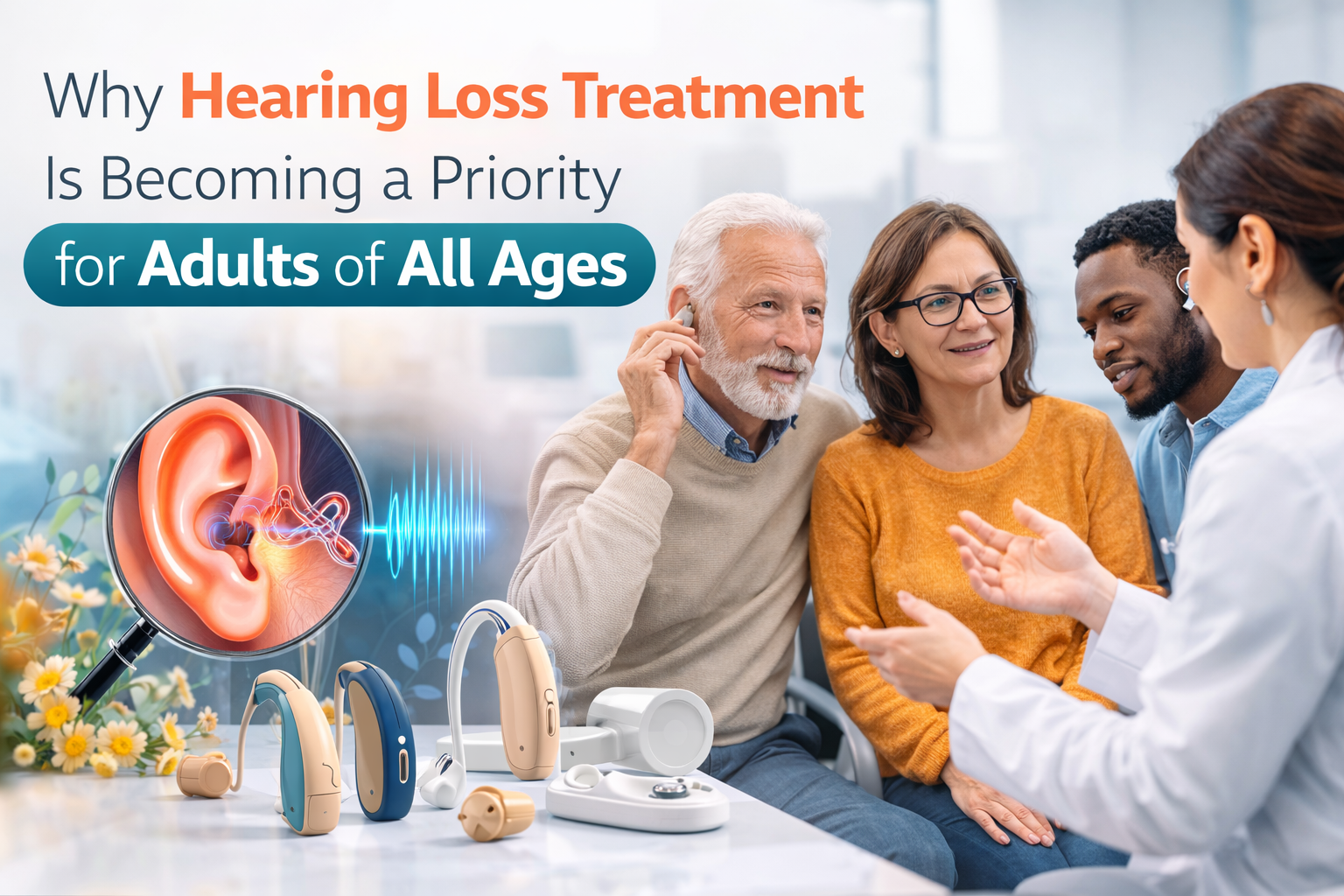
Sound waves enter the outer ear and travel through the ear canal until they reach the eardrum. The vibrations created by these sound waves move through three tiny bones located in the middle ear, which amplify the sound and transmit it to the inner ear. Inside the inner ear, a structure known as the cochlea contains delicate hair cells that transform vibrations into electrical signals.
These signals travel along the auditory nerve to the brain, where they are interpreted as recognizable sounds. Any disruption within this complex system can lead to hearing difficulties. Damage to the hair cells in the cochlea, blockage in the ear canal, fluid buildup, infections, or nerve issues can all contribute to hearing loss.
ENT doctors specialize in evaluating these components of the ear to determine where problems may be occurring. Their ability to examine the ear in detail allows them to identify the exact cause of hearing loss and recommend treatments that address the underlying condition.
Why Hearing Loss Is No Longer Just an Age-Related Issue
For many years, hearing loss was primarily associated with aging. While age-related hearing loss remains common, research and clinical experience have shown that hearing problems are affecting younger populations as well.
Modern lifestyles expose individuals to constant noise from traffic, machinery, headphones, and entertainment venues. Prolonged exposure to loud sounds can damage the sensitive hair cells within the inner ear, leading to gradual hearing decline. Once these cells are damaged, they do not regenerate, making early detection and prevention extremely important.
In addition to noise exposure, various medical conditions can contribute to hearing difficulties. Allergies, sinus infections, and inflammation within the ear can interfere with sound transmission. Fluid buildup or infection in the middle ear may temporarily or permanently affect hearing ability.
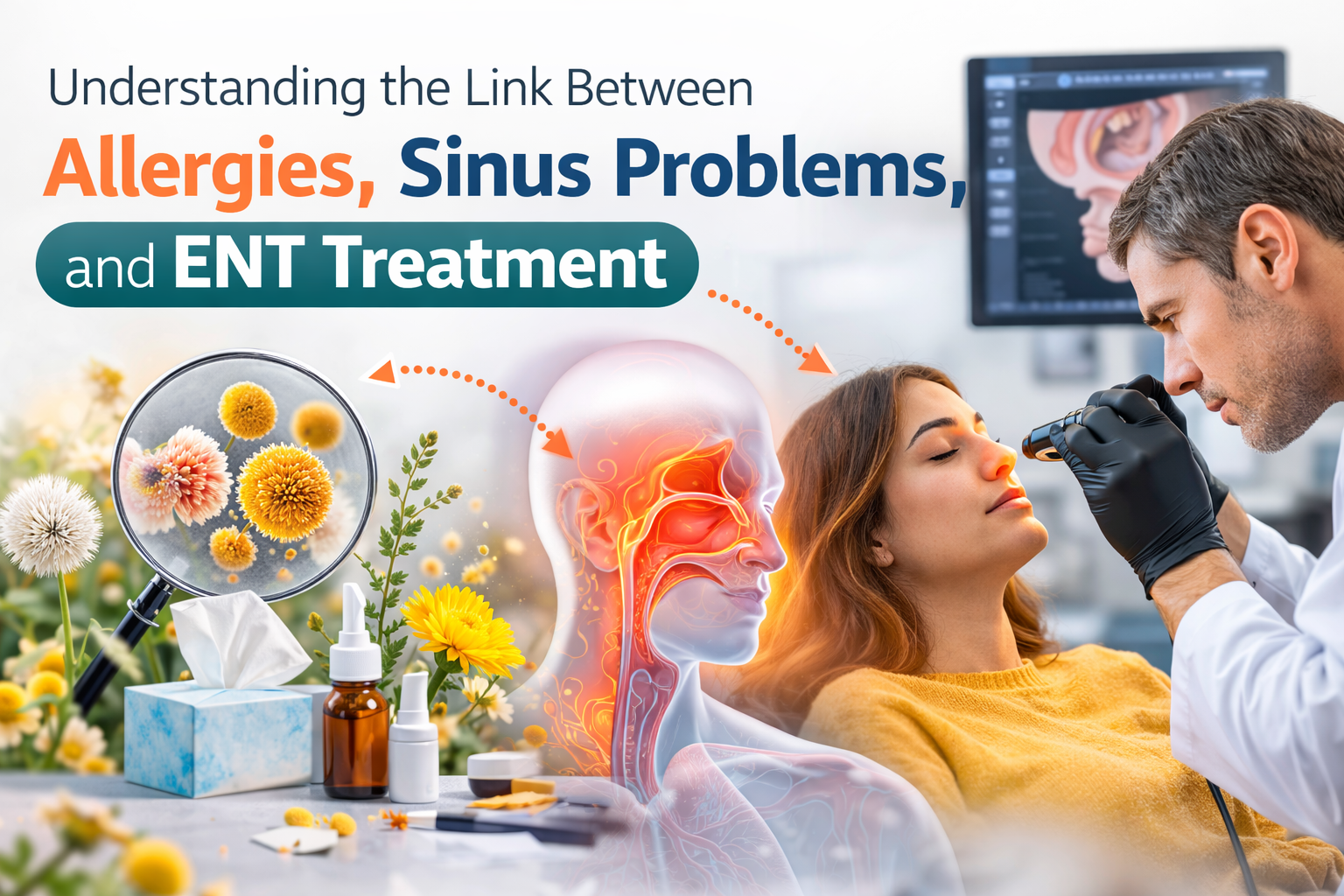
Understanding the connection between respiratory health and ear function is important for many patients. Conditions affecting the nasal passages and sinuses can also influence ear pressure and hearing clarity. Many individuals exploring this connection often learn more through Understanding the Link Between Allergies, Sinus Problems, and ENT Treatment, which explains how ENT specialists address the interconnected nature of these systems.
Because hearing loss can occur for many different reasons, adults of all ages are recognizing the importance of consulting ENT doctors when they notice changes in their hearing.
The Impact of Hearing Loss on Daily Life
Hearing loss affects much more than the ability to detect sound. It can influence nearly every aspect of daily life, from personal relationships to professional success. Individuals who struggle to hear conversations clearly may find themselves withdrawing from social situations or avoiding group gatherings.
Communication challenges can lead to misunderstandings and frustration among family members and colleagues. Over time, these difficulties may create emotional strain and reduce a person’s confidence in social settings.
In the workplace, hearing difficulties can affect productivity and collaboration. Missing key details during meetings or conversations may lead to errors or miscommunication. As a result, many professionals are beginning to prioritize hearing health as part of maintaining their overall career performance.
Hearing loss can also affect safety. The ability to hear warning signals, approaching vehicles, or emergency alerts is essential for navigating daily environments. ENT doctors emphasize that early treatment of hearing issues helps ensure that individuals remain aware of their surroundings and can respond quickly to potential hazards.
By addressing hearing concerns early, patients can maintain strong communication skills and continue participating fully in their personal and professional lives.
The Emotional and Cognitive Effects of Untreated Hearing Loss
Beyond communication challenges, untreated hearing loss can have profound effects on mental and emotional health. Studies have shown that individuals with hearing difficulties may experience increased levels of stress and fatigue because they must work harder to understand speech and interpret sounds.
This constant effort can lead to mental exhaustion and difficulty concentrating. Over time, individuals may begin to feel isolated or disconnected from social interactions. Feelings of loneliness or frustration are common among people who struggle to keep up with conversations.
Emerging research also suggests that untreated hearing loss may be associated with cognitive decline in some individuals. When the brain receives fewer auditory signals, it may have fewer opportunities to engage in complex processing activities related to language and sound interpretation.
ENT specialists play an important role in preventing these long-term consequences. By diagnosing hearing loss early and implementing appropriate treatments, they help patients maintain both cognitive health and emotional well-being.
Why Adults Are Seeking Hearing Loss Treatment Earlier
As awareness of hearing health grows, more adults are seeking professional evaluation at the first sign of hearing changes. Rather than waiting for symptoms to worsen, individuals are choosing to consult ENT doctors who can assess their hearing and recommend appropriate interventions.
Early treatment provides several advantages. It allows ENT specialists to identify reversible causes of hearing loss, such as ear infections or blockages, before they become severe. In many cases, addressing these issues promptly can restore normal hearing.
Even when hearing loss is related to long-term damage, early intervention can help patients adapt more effectively to treatment options that improve hearing clarity. ENT doctors guide patients through these decisions, ensuring they receive care tailored to their specific needs.
The increasing emphasis on preventive healthcare has contributed to this shift in behavior. Just as people schedule regular eye exams and dental checkups, many are now recognizing the value of routine hearing evaluations.
The Connection Between Allergies and Ear Health
Allergies can have a significant impact on ear function and hearing clarity. When allergic reactions cause inflammation within the nasal passages and throat, they may also affect the Eustachian tubes that connect the middle ear to the back of the nose.
These tubes help regulate pressure within the ear and allow fluid to drain properly. When inflammation blocks these pathways, fluid may accumulate in the middle ear, leading to muffled hearing or a sensation of fullness.
ENT specialists often evaluate patients with allergy-related ear symptoms to determine how inflammation may be affecting hearing. Treating the underlying allergic condition frequently improves ear function and restores normal hearing.
Many patients exploring this relationship find valuable information in How Allergy ENT Specialists Are Addressing the Rising Impact of Seasonal Allergies, which explains how ENT doctors diagnose and manage allergy-related respiratory and ear conditions.
By addressing both allergies and ear health simultaneously, ENT doctors provide comprehensive care that improves multiple aspects of respiratory and auditory function.
Advanced Diagnostic Tools Used by ENT Doctors
ENT specialists rely on sophisticated diagnostic tools to evaluate hearing and identify potential problems within the ear. These technologies allow doctors to measure hearing sensitivity, examine the ear canal and eardrum, and assess the function of the inner ear structures.
Hearing tests performed in specialized environments can detect even subtle changes in hearing ability. These evaluations help ENT doctors determine the type and severity of hearing loss.
In addition to hearing assessments, ENT specialists may use imaging studies or endoscopic examinations to identify structural issues affecting the ear or surrounding areas. This detailed analysis ensures that patients receive accurate diagnoses and effective treatment recommendations.
The ability to combine advanced technology with clinical expertise allows ENT doctors to provide comprehensive hearing evaluations that address the unique needs of each patient.
Modern Treatment Options for Hearing Loss
Advances in medical science have dramatically expanded the treatment options available for hearing loss. ENT specialists can recommend a wide range of therapies depending on the cause and severity of the condition.
In some cases, treating infections or removing blockages from the ear canal can restore normal hearing almost immediately. For patients with more complex conditions, ENT doctors may recommend specialized devices or surgical procedures designed to improve sound transmission.
The goal of treatment is always to enhance hearing clarity while preserving the natural structures of the ear whenever possible. ENT specialists carefully evaluate each patient’s condition to determine which treatment approach will provide the best outcome.
As technology continues to evolve, new innovations are emerging that make hearing treatments more effective and accessible than ever before.
Preventing Hearing Loss Through Education and Awareness
Prevention remains one of the most powerful tools in protecting hearing health. ENT doctors frequently educate patients about the importance of avoiding excessive noise exposure and protecting the ears in loud environments.
Simple steps such as reducing headphone volume, using ear protection during concerts or industrial work, and seeking medical care for ear infections can significantly reduce the risk of hearing damage.
ENT specialists also emphasize the importance of maintaining overall respiratory health, as conditions affecting the nose and sinuses can influence ear function. By addressing allergies, sinus problems, and infections early, patients can reduce the likelihood of complications that affect hearing.
Through education and preventive care, ENT doctors help individuals preserve their hearing for years to come.
The Future of Hearing Care
The field of hearing health continues to advance as researchers develop new technologies and treatment methods. Innovations in diagnostic tools, hearing devices, and surgical techniques are expanding the possibilities for patients experiencing hearing difficulties.
ENT specialists remain at the forefront of these advancements. Their training allows them to integrate emerging technologies into patient care while maintaining a focus on personalized treatment strategies.
As awareness of hearing health continues to grow, more individuals are recognizing the importance of seeking specialized care when symptoms arise. ENT doctors play a crucial role in ensuring that patients receive accurate diagnoses and effective treatments that improve hearing and overall quality of life.
A Healthier Future Through Early Hearing Care
Hearing loss treatment is becoming a priority for adults of all ages because people are increasingly recognizing the profound impact that hearing health has on daily life. Communication, relationships, career success, and personal safety all depend on the ability to hear clearly.
ENT doctors provide the expertise needed to diagnose hearing problems and guide patients toward solutions that restore clarity and confidence. Their comprehensive approach ensures that hearing concerns are addressed alongside related conditions affecting the ear, nose, and throat.
By seeking evaluation early and following the guidance of skilled ENT specialists, individuals can protect their hearing and maintain strong connections with the world around them. As medical knowledge continues to evolve, the future of hearing care promises even greater opportunities for patients to preserve this essential sense and enjoy healthier, more fulfilling lives.