How Allergy ENT Specialists Are Addressing the Rising Impact of Seasonal Allergies
Seasonal allergies have become one of the most common health concerns affecting millions of people across the United States. Every year, as pollen counts rise and environmental conditions change, countless individuals experience symptoms that range from mild irritation to severe respiratory discomfort. Sneezing, nasal congestion, sinus pressure, watery eyes, throat irritation, and fatigue can quickly turn daily routines into frustrating challenges. For many people, these symptoms persist for weeks or even months during allergy seasons.
In recent years, the number of individuals affected by seasonal allergies has continued to increase. Environmental changes, urbanization, air pollution, and longer pollen seasons have all contributed to the growing prevalence of allergy-related conditions. As these issues become more widespread, people are seeking more effective and specialized care to manage their symptoms.
This shift has led to a rising demand for Allergy ENT specialists. These doctors possess advanced training in diagnosing and treating conditions involving the ear, nose, and throat, including those triggered by allergies. Their expertise allows them to identify the root causes of allergy symptoms and provide targeted treatments that go beyond temporary relief.
Allergy ENT specialists are playing a vital role in helping patients regain control over their respiratory health. By combining advanced diagnostic techniques with personalized treatment plans, they are addressing the growing impact of seasonal allergies and improving quality of life for countless individuals.
Understanding How Seasonal Allergies Affect the Body
Seasonal allergies occur when the immune system reacts to substances in the environment that are typically harmless to most people. Common allergens include pollen from trees, grasses, and weeds, as well as mold spores that circulate in the air during certain times of the year.
When a person with allergies inhales these particles, the immune system mistakenly identifies them as threats. In response, the body releases chemicals such as histamine that trigger inflammation within the nasal passages and surrounding tissues. This inflammatory reaction leads to symptoms such as nasal congestion, sneezing, itchy eyes, and throat irritation.
While these symptoms may seem minor at first, they can become increasingly disruptive as the allergic response continues. Persistent inflammation in the nasal passages may interfere with breathing, disrupt sleep, and contribute to sinus pressure or headaches.
For individuals who experience seasonal allergies year after year, the cumulative impact can be significant. Chronic inflammation may increase the risk of sinus infections, nasal blockage, and other respiratory complications. As a result, many patients turn to Allergy ENT specialists who can diagnose the underlying causes of their symptoms and develop strategies for long-term management.
Why Seasonal Allergies Are Becoming More Severe
Several factors have contributed to the growing severity of seasonal allergies in recent decades. Environmental changes have extended the length of pollen seasons in many regions, allowing allergenic plants to release pollen for longer periods of time.
Rising temperatures and increased carbon dioxide levels can stimulate plant growth and pollen production. As a result, individuals who are sensitive to pollen may experience more intense symptoms than in previous years.
Urban environments also play a role in exacerbating allergy symptoms. Air pollution can irritate the respiratory system and make the nasal passages more susceptible to allergic reactions. Pollutants may interact with pollen particles, increasing their ability to trigger inflammation.
Lifestyle changes have further influenced allergy patterns. People today spend more time indoors, where dust mites, pet dander, and mold spores can accumulate. Exposure to these allergens may intensify seasonal symptoms and contribute to year-round respiratory discomfort.
Because of these evolving environmental factors, seasonal allergies are no longer considered a minor inconvenience. They have become a widespread health issue that requires professional evaluation and treatment from specialists who understand the complexities of respiratory health.
The Unique Expertise of Allergy ENT Specialists
Allergy ENT specialists are uniquely equipped to address the challenges posed by seasonal allergies. Their training focuses on the intricate anatomy and function of the ear, nose, throat, and sinuses, which are often the primary areas affected by allergic inflammation.
When patients visit an ENT clinic for allergy-related symptoms, the evaluation process typically begins with a thorough review of medical history and symptom patterns. ENT doctors seek to understand when symptoms occur, what environmental factors may trigger them, and how they affect daily life.
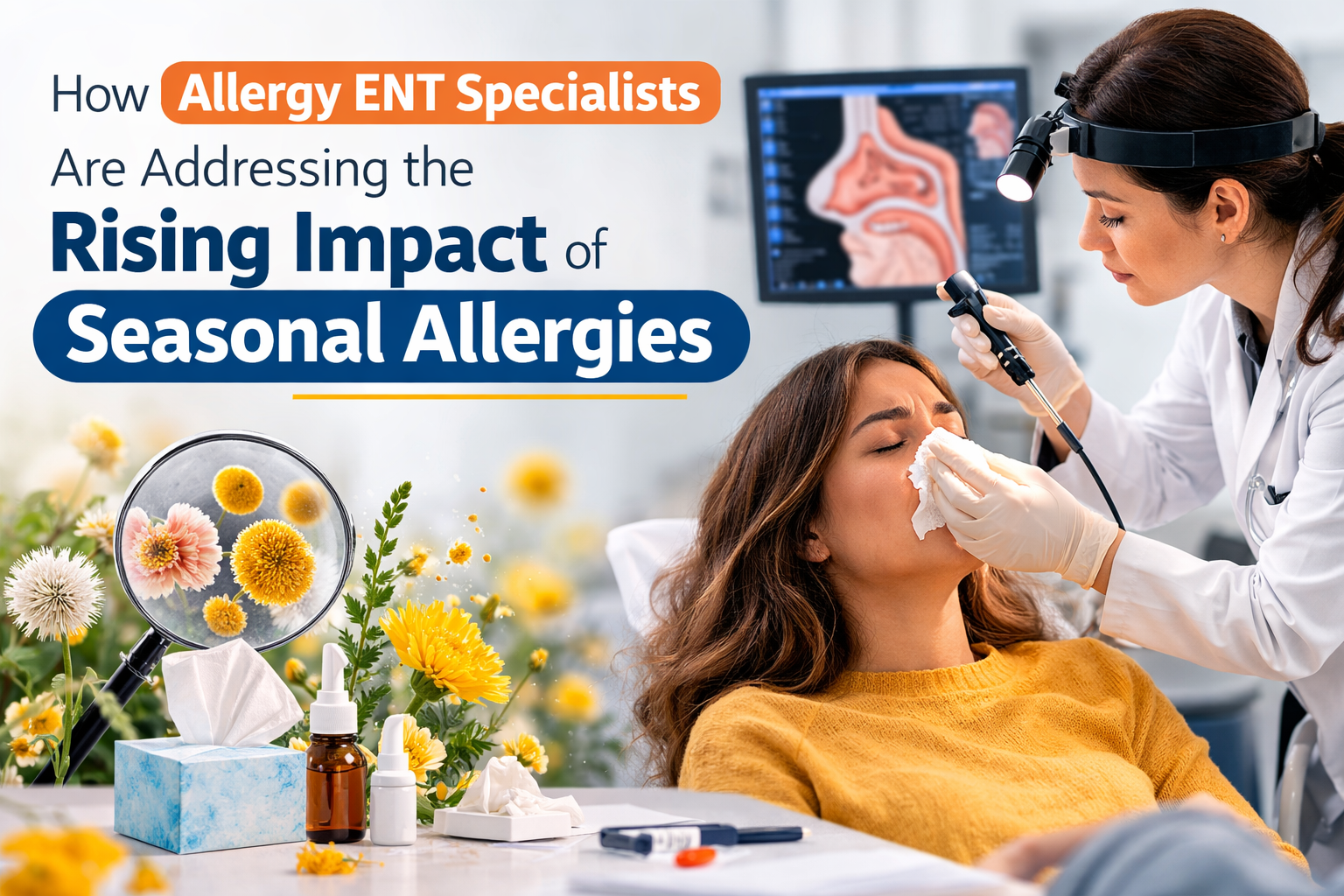
Advanced diagnostic tools allow ENT specialists to examine the nasal passages and sinuses in detail. Endoscopic examinations provide clear views of internal structures, revealing inflammation, blockage, or structural abnormalities that may contribute to persistent symptoms.
Allergy testing is often an essential component of this evaluation. By identifying specific allergens that trigger the immune response, ENT doctors can develop targeted treatment plans that address the root cause of symptoms rather than simply masking them.
This comprehensive approach enables Allergy ENT specialists to provide solutions tailored to each patient’s unique needs.
The Link Between Allergies and Chronic Sinus Conditions
One of the most significant consequences of untreated seasonal allergies is the development of chronic sinus conditions. Persistent inflammation within the nasal passages can block the openings that allow the sinuses to drain properly.
When these pathways become obstructed, mucus may accumulate within the sinus cavities, creating pressure and discomfort. Over time, this environment can lead to recurring sinus infections and ongoing congestion.
ENT doctors frequently encounter patients whose chronic sinus problems are closely tied to untreated allergies. By addressing allergic inflammation, they can reduce the frequency of sinus infections and restore healthy drainage within the sinuses.
Advances in sinus treatment have played a major role in improving outcomes for patients with allergy-related sinus conditions. Patients interested in learning more about these developments often explore The Medical Advances Transforming Balloon Sinuplasty for Chronic Sinus Conditions, which explains how minimally invasive procedures are helping individuals overcome persistent sinus issues.
Through a combination of medical therapy and advanced treatment techniques, Allergy ENT specialists help patients achieve lasting relief from both allergies and sinus disorders.
Recognizing When Allergy Symptoms Require Specialist Care
Many people attempt to manage seasonal allergies with over-the-counter medications, nasal sprays, or home remedies. While these approaches may provide temporary relief, they often fail to address the underlying causes of allergic inflammation.
Patients should consider seeking evaluation from an Allergy ENT specialist when symptoms persist despite these treatments. Frequent sinus infections, ongoing nasal congestion, reduced sense of smell, and difficulty breathing through the nose are all signs that professional care may be necessary.
ENT doctors can determine whether allergies are the primary cause of symptoms or if other conditions are contributing to respiratory discomfort. In some cases, structural issues such as a deviated septum or nasal polyps may worsen allergic symptoms and require additional treatment.
Comprehensive evaluation ensures that patients receive the most appropriate care for their condition.
The Impact of Allergies on Sleep and Daily Life
Seasonal allergies can significantly affect sleep quality. Nasal congestion and sinus pressure often make it difficult to breathe comfortably while lying down. As a result, individuals with allergies may experience restless nights, frequent awakenings, and reduced sleep duration.
Poor sleep can have far-reaching consequences for physical and mental health. Fatigue, irritability, and difficulty concentrating are common among individuals who struggle with ongoing allergy symptoms.
ENT specialists recognize the importance of addressing these challenges. By improving nasal airflow and reducing inflammation, they help patients breathe more easily and achieve better sleep.
The benefits of effective allergy treatment extend beyond physical comfort. Improved sleep and reduced respiratory symptoms often lead to enhanced productivity, mood, and overall well-being.
Personalized Treatment Approaches for Allergy Management
Every patient experiences allergies differently, which is why personalized treatment plans are essential. Allergy ENT specialists tailor their recommendations based on each individual’s symptoms, lifestyle, and environmental exposures.
Treatment may involve medications designed to reduce inflammation and control the immune response. In some cases, allergy immunotherapy may be recommended to help the immune system become less sensitive to specific allergens over time.
Lifestyle adjustments can also play an important role in managing allergies. ENT doctors often guide patients in identifying environmental triggers and implementing strategies to minimize exposure.
By addressing both medical and environmental factors, Allergy ENT specialists create comprehensive treatment plans that provide lasting results.
The Role of Early Diagnosis in Preventing Complications
Early diagnosis is one of the most effective ways to prevent complications associated with seasonal allergies. When allergic inflammation persists without treatment, it can lead to chronic sinus infections, nasal obstruction, and even structural changes within the nasal passages.
ENT doctors emphasize the importance of evaluating symptoms before they become severe. Identifying allergens and addressing inflammation early allows patients to manage their condition more effectively and avoid long-term complications.
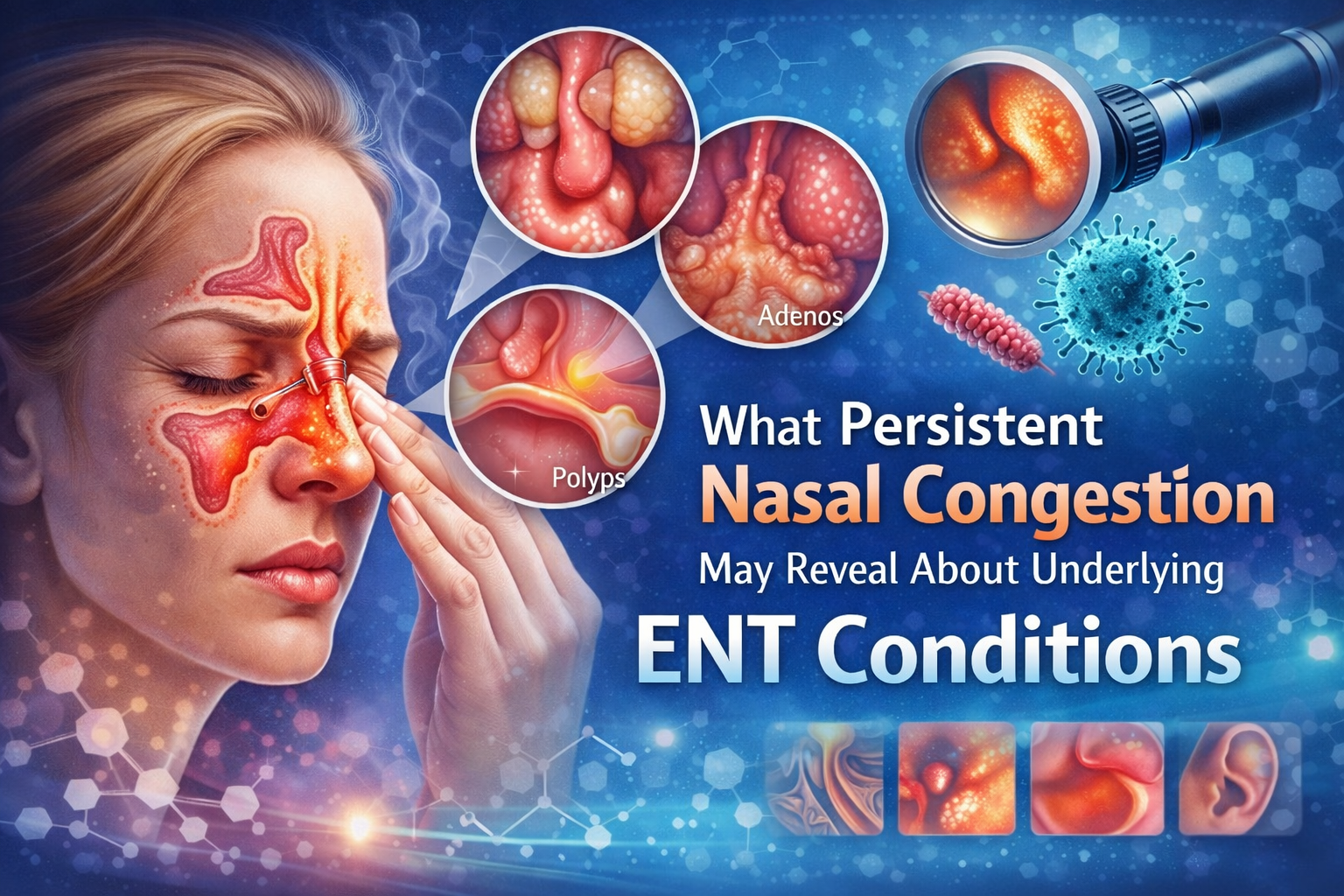
Understanding how persistent congestion relates to broader ENT conditions is also valuable for patients seeking answers about their symptoms. Many individuals explore What Persistent Nasal Congestion May Reveal About Underlying ENT Conditions to gain insight into how untreated allergies may affect sinus health and breathing.
With early intervention and proper medical care, most allergy-related complications can be prevented.
The Future of Allergy Care in ENT Medicine
The field of ENT medicine continues to evolve as researchers and physicians develop new strategies for managing allergic diseases. Advances in diagnostic technology, immunotherapy, and minimally invasive procedures are transforming the way allergy-related conditions are treated.
Allergy ENT specialists remain at the forefront of these innovations. Their ability to combine clinical expertise with cutting-edge technology allows them to deliver highly effective treatments that improve patient outcomes.
As environmental factors continue to influence respiratory health, the role of ENT specialists will become even more important. Their expertise ensures that patients receive accurate diagnoses and personalized care tailored to the complexities of allergic disease.
A Healthier Future Through Expert ENT Care
Seasonal allergies may be common, but they do not have to control a person’s life. With the help of skilled Allergy ENT specialists, patients can identify the causes of their symptoms and receive treatments that restore comfort and normal breathing.
By addressing inflammation, improving sinus health, and managing allergic responses, ENT doctors provide comprehensive care that extends far beyond temporary symptom relief. Their commitment to patient-centered treatment empowers individuals to live healthier, more comfortable lives.
As awareness of respiratory health continues to grow, more people are discovering the benefits of seeking care from ENT specialists who understand the intricate relationship between allergies, sinus health, and overall well-being. Through innovation, expertise, and compassionate care, Allergy ENT specialists are transforming the way seasonal allergies are managed and helping patients breathe easier in every season.