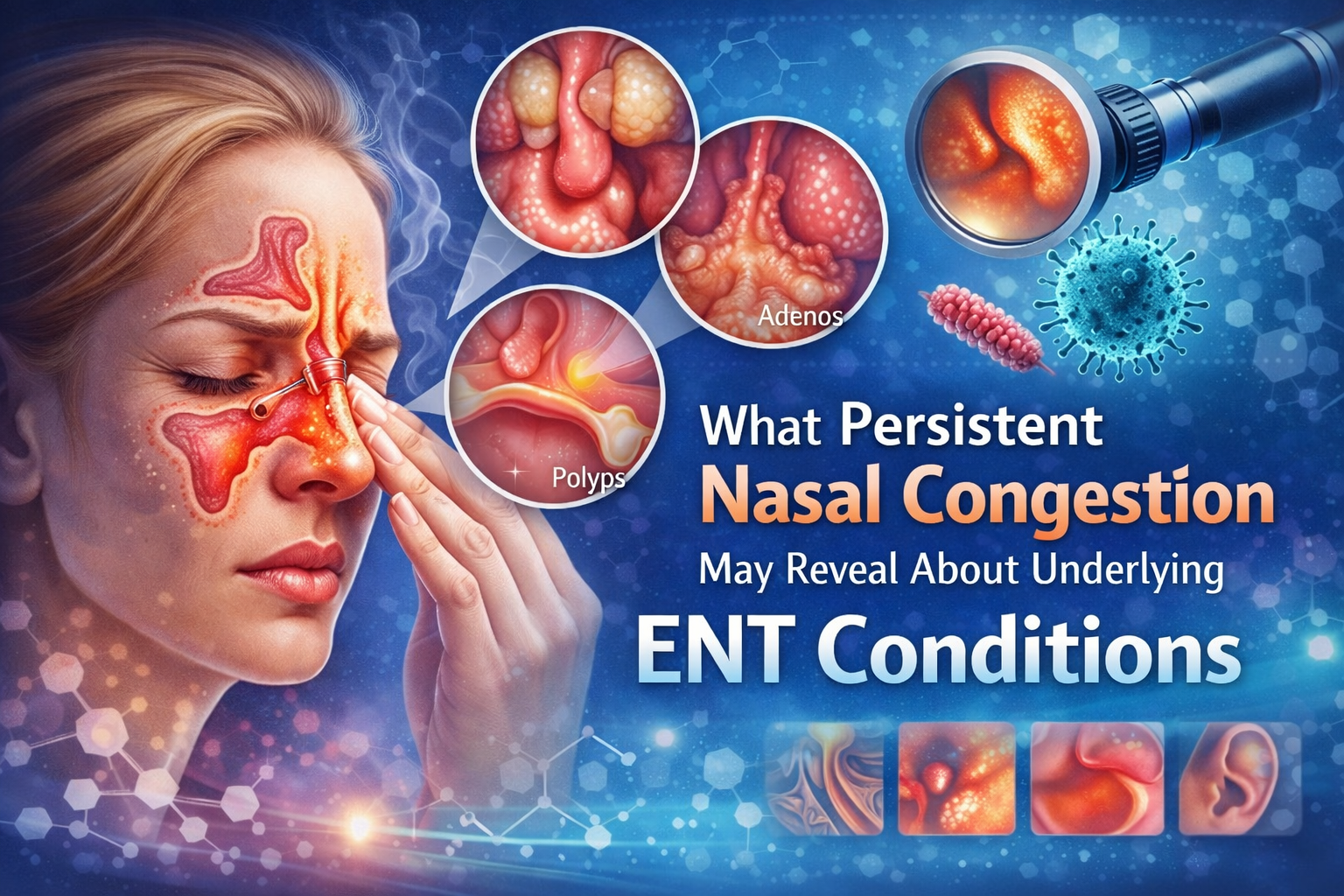
What Persistent Nasal Congestion May Reveal About Underlying ENT Conditions
Nasal congestion is one of the most common health complaints experienced by people of all ages. Nearly everyone has experienced the discomfort of a blocked nose during a cold or seasonal allergy flare-up. In most cases, congestion fades within a few days as the body recovers from infection or irritation. However, when nasal congestion persists for weeks or even months, it often signals a deeper issue that requires medical attention.
Persistent nasal congestion is more than an inconvenience. It can affect breathing, disrupt sleep, impair concentration, and diminish overall quality of life. Many individuals attempt to manage these symptoms with over-the-counter medications or home remedies, hoping the problem will eventually resolve itself. Unfortunately, chronic congestion rarely disappears without identifying and addressing the underlying cause.
ENT doctors specialize in diagnosing and treating conditions that affect the ear, nose, and throat. When congestion becomes ongoing, their expertise becomes invaluable. By examining the nasal passages and sinus structures in detail, ENT specialists can uncover the hidden factors responsible for persistent symptoms. These conditions often involve inflammation, structural abnormalities, infections, or allergic reactions that cannot be resolved through temporary treatments alone.
Understanding what persistent nasal congestion may reveal about underlying ENT conditions is an important step toward finding lasting relief. For many patients, visiting an ENT doctor provides clarity, reassurance, and effective treatment options that restore comfortable breathing.
Understanding the Nasal Passages and Sinus System
The nasal passages and sinuses are complex structures designed to filter, warm, and humidify the air we breathe. Inside the nose, delicate tissues and tiny hair-like structures trap dust, allergens, and bacteria before they reach the lungs. The sinuses, which are air-filled cavities located within the bones of the face and skull, produce mucus that helps remove unwanted particles from the respiratory system.
When functioning properly, this system operates smoothly. Mucus drains naturally through small openings that connect the sinuses to the nasal passages. However, when inflammation develops within the nasal lining, these drainage pathways can become blocked. The resulting buildup of mucus leads to congestion, pressure, and discomfort.
Inflammation may occur for many reasons. Viral infections, bacterial infections, allergies, environmental irritants, and structural abnormalities can all contribute to persistent swelling within the nasal passages. When the inflammation continues for an extended period of time, congestion becomes chronic and often requires specialized treatment.
ENT doctors are trained to evaluate the intricate anatomy of the nose and sinuses. Their understanding of these structures allows them to identify subtle problems that may be overlooked during general medical examinations. By pinpointing the source of inflammation or blockage, they can recommend targeted treatments that restore healthy airflow.
Chronic Sinusitis as a Common Cause of Persistent Congestion
One of the most frequent underlying causes of long-term nasal congestion is chronic sinusitis. This condition occurs when the lining of the sinuses becomes inflamed for an extended period, often lasting twelve weeks or longer. Unlike acute sinus infections, which usually resolve within a short time, chronic sinusitis tends to persist and may worsen without proper treatment.
Individuals with chronic sinusitis often experience symptoms such as facial pressure, headaches, nasal blockage, thick nasal discharge, and a reduced sense of smell. These symptoms can fluctuate in intensity but rarely disappear completely.
ENT specialists play a critical role in diagnosing chronic sinusitis. Using advanced diagnostic tools such as nasal endoscopy and imaging studies, they can observe the sinus cavities and identify the factors contributing to inflammation. In many cases, structural issues such as narrowed sinus openings or nasal polyps may prevent proper drainage.
Once the underlying cause is identified, ENT doctors can recommend treatments that restore normal sinus function. These treatments may involve medications, lifestyle adjustments, or minimally invasive procedures designed to open blocked sinus pathways.
Patients interested in understanding the evolution of these advanced treatments often explore The Medical Advances Transforming Balloon Sinuplasty for Chronic Sinus Conditions, which highlights how innovative ENT procedures are helping patients overcome persistent sinus problems.
Allergies and Their Role in Nasal Congestion
Allergies are another major contributor to chronic nasal congestion. When the immune system encounters substances such as pollen, dust mites, mold spores, or pet dander, it may respond with inflammation that affects the nasal passages and sinuses.
Allergic reactions trigger the release of chemicals that cause swelling in the nasal tissues. This swelling narrows the airways and increases mucus production, leading to the familiar symptoms of congestion, sneezing, and itching.
For individuals with seasonal or year-round allergies, these reactions may occur repeatedly throughout the year. Over time, chronic inflammation can lead to persistent nasal blockage and sinus discomfort.
ENT doctors often work closely with allergy specialists to identify the specific triggers responsible for allergic symptoms. Through comprehensive testing and evaluation, they can develop treatment strategies that reduce inflammation and improve breathing.
Effective allergy management often involves a combination of medications, environmental adjustments, and preventive therapies designed to minimize exposure to allergens. By addressing the root cause of allergic reactions, ENT specialists help patients achieve lasting relief from chronic congestion.
Structural Abnormalities That Affect Nasal Airflow
In some cases, persistent nasal congestion is caused by structural abnormalities within the nose. These physical differences in the anatomy of the nasal passages can restrict airflow and interfere with proper sinus drainage.
One of the most common structural issues is a deviated septum. The nasal septum is the thin wall that separates the two nasal passages. When this structure is significantly off-center, it can block one side of the nose and contribute to ongoing congestion.
Other structural problems may include enlarged nasal turbinates, which are structures that help regulate airflow and humidity within the nose. When these tissues become enlarged due to chronic inflammation or allergies, they may obstruct the nasal passages.
ENT doctors are highly skilled at identifying these anatomical concerns through careful examination and imaging studies. In cases where structural abnormalities significantly affect breathing, specialized procedures may be recommended to correct the issue and restore normal airflow.
Addressing these structural factors can dramatically improve a patient’s ability to breathe comfortably and reduce the recurrence of sinus infections.
Nasal Polyps and Their Impact on Sinus Health
Nasal polyps are soft, noncancerous growths that can develop within the nasal passages or sinuses as a result of chronic inflammation. Although they are typically painless, their presence can block airflow and interfere with sinus drainage.
Patients with nasal polyps often experience persistent congestion, reduced sense of smell, and frequent sinus infections. Because polyps grow gradually, symptoms may worsen slowly over time.
ENT specialists are trained to detect nasal polyps through endoscopic examinations that allow them to visualize the interior of the nasal passages. Once identified, treatment may involve medications to reduce inflammation or procedures designed to remove the polyps and restore airflow.
The expertise of ENT doctors ensures that these conditions are managed effectively while minimizing the risk of recurrence.
The Connection Between Nasal Congestion and Sleep Disorders
Persistent nasal congestion can significantly affect sleep quality. When the nasal passages are blocked, individuals may struggle to breathe comfortably while lying down. This often leads to mouth breathing, snoring, and disrupted sleep patterns.
In some cases, chronic nasal obstruction may contribute to sleep apnea, a condition characterized by repeated pauses in breathing during sleep. Sleep apnea can lead to fatigue, difficulty concentrating, and an increased risk of cardiovascular problems.
ENT doctors play an important role in evaluating airway health and identifying factors that may contribute to sleep-related breathing disorders. By examining the nasal passages, throat structures, and surrounding tissues, they can determine whether congestion is interfering with normal airflow during sleep.
Treating the underlying causes of nasal obstruction often leads to significant improvements in sleep quality and overall health.
Environmental Factors That Worsen Congestion
Modern environments expose individuals to numerous irritants that can aggravate nasal congestion. Air pollution, smoke, chemical fumes, and indoor allergens can all trigger inflammation within the nasal passages.
Urban areas often contain higher levels of pollutants that irritate the respiratory system. Even in suburban environments, indoor air quality may be affected by dust, mold, or poor ventilation.
ENT doctors frequently consider environmental factors when evaluating patients with chronic congestion. By identifying potential irritants in a patient’s surroundings, they can recommend practical steps to reduce exposure and minimize symptoms.
Improving air quality and avoiding known triggers can play a significant role in maintaining healthy nasal passages and preventing recurring congestion.
Why Early Evaluation by an ENT Doctor Matters
Persistent nasal congestion should never be ignored, especially when symptoms continue for several weeks without improvement. Early evaluation by an ENT doctor allows patients to identify the underlying cause of their symptoms before complications develop.
ENT specialists use advanced diagnostic techniques to examine the nasal passages and sinuses with remarkable precision. These evaluations provide insights that may not be visible through routine medical examinations.
Early diagnosis often leads to more effective treatment and reduces the likelihood of chronic complications. By addressing sinus inflammation, structural abnormalities, or allergic reactions promptly, ENT doctors help patients regain comfortable breathing and prevent long-term health issues.
Patients seeking comprehensive care for ear, nose, and throat concerns frequently explore Why More Patients Are Turning to an ENT Doctor in Pasadena for Comprehensive Ear, Nose, and Throat Care, which discusses the growing role of ENT specialists in improving respiratory health and overall well-being.
The Psychological Effects of Chronic Congestion
Living with persistent nasal congestion can have a profound impact on mental and emotional well-being. When breathing becomes difficult and sleep is disrupted, individuals may experience fatigue, irritability, and difficulty concentrating.
These symptoms can affect productivity at work, academic performance, and social interactions. Over time, the frustration of dealing with chronic congestion may lead individuals to feel discouraged or overwhelmed.
Seeking help from an ENT doctor often provides a sense of relief and reassurance. Understanding the cause of symptoms and receiving a clear treatment plan can restore confidence and improve quality of life.
ENT specialists recognize the importance of addressing both the physical and emotional aspects of chronic sinus conditions. Their patient-centered approach helps individuals regain control of their health and return to normal daily activities.
A Future of Better Respiratory Health
Persistent nasal congestion is often a signal that the body needs specialized care. Rather than accepting chronic symptoms as a normal part of life, patients are increasingly seeking help from ENT doctors who understand the complexities of the ear, nose, and throat.
Through advanced diagnostics, innovative treatments, and personalized care, ENT specialists are helping individuals overcome conditions that once seemed impossible to manage. Their expertise allows patients to breathe more comfortably, sleep more soundly, and enjoy improved overall health.
As awareness of ENT care continues to grow, more people are discovering the benefits of early diagnosis and targeted treatment. Persistent congestion no longer needs to be a lifelong burden. With the guidance of skilled ENT doctors, patients can find lasting solutions that restore their respiratory health and enhance their quality of life.