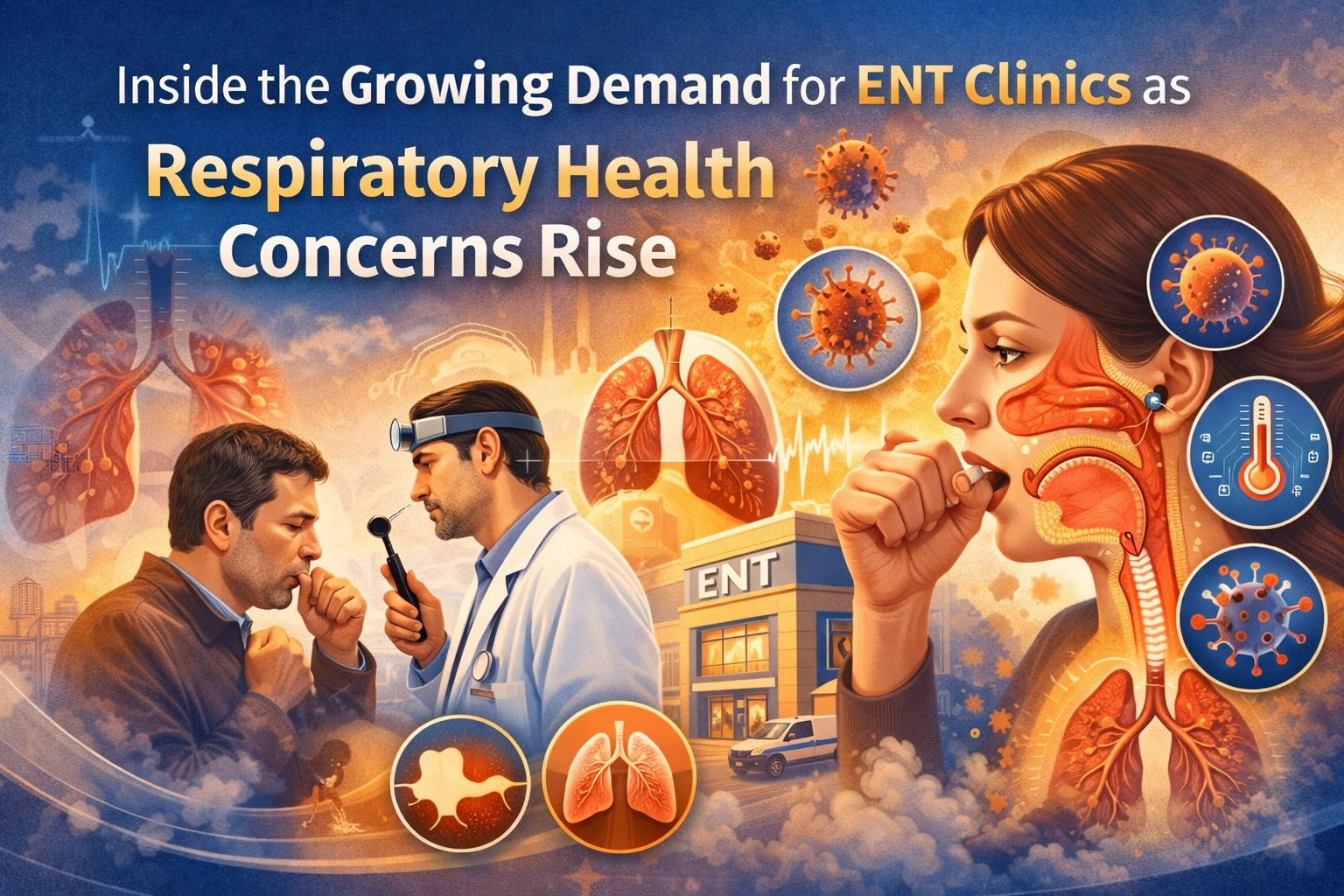
Inside the Growing Demand for ENT Clinics as Respiratory Health Concerns Rise
In recent years, respiratory health has become a central focus for millions of Americans. People are paying closer attention to symptoms such as persistent nasal congestion, chronic sinus pressure, breathing difficulties, throat irritation, and recurring ear problems. These issues may appear minor at first, but when they persist or worsen, they can significantly affect everyday life. As awareness of respiratory health continues to grow, more individuals are seeking specialized care from ENT clinics that focus on diagnosing and treating conditions affecting the ear, nose, throat, and related structures.
The rising demand for ENT clinics reflects a broader shift in how patients approach healthcare. Rather than ignoring symptoms or relying solely on temporary remedies, many individuals now understand the value of consulting specialists who can identify the underlying causes of their discomfort. ENT doctors possess the training, technology, and clinical expertise required to evaluate complex respiratory and sinus conditions with precision. Their role has become increasingly important as respiratory issues become more common in both urban and suburban communities.
Communities across the United States are experiencing this shift, and patients are discovering that specialized ENT care can provide long-term relief for problems that may otherwise persist for years. From sinus infections and allergies to sleep apnea and throat disorders, ENT clinics are becoming essential centers for comprehensive respiratory care.
Understanding the Role of ENT Clinics in Modern Medicine
ENT clinics specialize in diagnosing and treating conditions involving the ear, nose, throat, head, and neck. These areas are deeply interconnected, and symptoms affecting one part of the system often influence others. A blocked nasal passage, for example, can lead to sinus pressure, headaches, disrupted sleep, and throat irritation. Similarly, ear infections can impact balance, hearing, and overall well-being.
Because these systems are closely linked, ENT doctors approach respiratory health from a comprehensive perspective. Their expertise allows them to evaluate symptoms in a way that identifies both immediate concerns and underlying causes. Rather than treating isolated symptoms, ENT specialists analyze how various structures within the head and neck interact with one another.
This holistic understanding of respiratory health has become increasingly valuable as patients seek accurate diagnoses and targeted treatments. ENT clinics are equipped with specialized diagnostic tools, including nasal endoscopy, hearing evaluations, allergy testing, and imaging technologies that reveal structural issues within the sinuses or airways. These advanced capabilities enable ENT doctors to detect conditions that might otherwise go unnoticed during routine medical examinations.
As respiratory health concerns continue to rise, ENT clinics are becoming trusted healthcare destinations where patients can receive specialized evaluations and personalized treatment plans designed to improve breathing, hearing, and overall comfort.
Why Respiratory Health Concerns Are Increasing
Several factors have contributed to the growing prevalence of respiratory conditions in recent years. Environmental influences, seasonal allergies, urban air quality, and lifestyle changes have all played a role in shaping how respiratory health issues develop and progress. Individuals living in metropolitan regions often face exposure to pollutants, allergens, and environmental irritants that can inflame the nasal passages and sinuses.
Climate patterns also contribute to respiratory problems. In many regions, fluctuating temperatures and humidity levels create ideal conditions for allergens such as pollen, mold spores, and dust mites to thrive. These allergens can trigger inflammation in the nasal passages and sinuses, leading to symptoms such as congestion, sneezing, and breathing difficulties.
At the same time, modern lifestyles often involve prolonged exposure to indoor environments where ventilation may be limited. Air conditioning systems, heating units, and closed indoor spaces can circulate allergens that aggravate respiratory conditions. For individuals who already have allergies or sinus sensitivities, these environments may intensify symptoms over time.
As respiratory health challenges become more common, patients are realizing that specialized medical care is often necessary to manage these conditions effectively. ENT clinics provide the expertise needed to diagnose respiratory disorders accurately and develop treatment strategies that address both environmental triggers and physiological factors.
The Impact of Sinus Disorders on Daily Life
Sinus disorders are among the most common reasons patients seek care at ENT clinics. When the sinuses become inflamed or blocked, individuals may experience facial pressure, headaches, nasal congestion, reduced sense of smell, and difficulty breathing through the nose. These symptoms can persist for weeks or even months if the underlying cause is not properly treated.
Chronic sinusitis, in particular, has become a widespread condition that affects millions of Americans each year. Patients with chronic sinusitis often struggle with recurring infections, constant congestion, and fatigue caused by poor sleep quality. Over time, untreated sinus issues can disrupt work productivity, social activities, and overall quality of life.
ENT doctors are uniquely equipped to evaluate sinus conditions in detail. Through advanced imaging and endoscopic examinations, they can identify structural abnormalities, nasal polyps, or infections that contribute to persistent sinus inflammation. Once these issues are identified, ENT specialists can recommend targeted treatments that restore normal sinus function and improve airflow.
Patients who seek early treatment at ENT clinics often experience significant improvements in their respiratory health. By addressing sinus disorders before they become severe, ENT doctors help individuals regain comfort and prevent complications that might otherwise require more extensive treatment.
The Growing Role of ENT Doctors in Managing Allergies
Allergies are another major driver behind the rising demand for ENT clinics. Seasonal pollen, pet dander, mold spores, and dust mites can all trigger allergic reactions that affect the respiratory system. For many individuals, allergies lead to symptoms such as nasal congestion, sneezing, watery eyes, sinus pressure, and throat irritation.
While over-the-counter medications may provide temporary relief, persistent allergies often require specialized evaluation and treatment. ENT doctors frequently collaborate with allergy specialists to identify the substances responsible for triggering a patient’s symptoms. Through allergy testing and careful medical assessment, they can develop treatment plans that reduce inflammation and improve breathing.
Effective allergy management may involve medications, lifestyle adjustments, or immunotherapy designed to help the immune system respond more appropriately to environmental triggers. By addressing allergies at their source, ENT clinics help patients achieve lasting relief and prevent recurring sinus infections or respiratory discomfort.
Ear Health and Its Connection to Respiratory Conditions
Although respiratory concerns are often associated with the nose and sinuses, ear health is closely connected to the respiratory system as well. The Eustachian tubes, which connect the middle ear to the back of the throat, help regulate air pressure and drain fluid from the ear. When these tubes become blocked due to infections or allergies, patients may experience ear pain, hearing problems, or a feeling of fullness in the ear.
ENT clinics frequently treat patients with ear infections, fluid buildup, and hearing loss caused by respiratory conditions. These problems are particularly common among children, whose developing Eustachian tubes are more prone to blockage. However, adults can also experience ear complications when sinus infections or allergies affect the surrounding structures.
Water-related ear infections are another condition that ENT doctors address regularly. Individuals who spend time swimming or participating in water sports may develop infections within the ear canal if moisture becomes trapped inside. Learning about these infections through What Is Swimmer’s Ear and How Is It Treated can provide valuable insight into how ENT specialists diagnose and treat this condition effectively.
By evaluating the ear, nose, and throat together, ENT doctors can identify connections between respiratory issues and ear health, ensuring that patients receive comprehensive care that addresses every aspect of their symptoms.
Sleep Disorders and the Importance of Airway Health
Sleep quality is closely linked to respiratory health. When airflow through the nose or throat becomes restricted, individuals may experience snoring, disrupted sleep patterns, and breathing interruptions during the night. These symptoms are often associated with sleep apnea, a condition that can have serious long-term health consequences if left untreated.
ENT doctors play a crucial role in evaluating airway obstruction and identifying structural issues that may contribute to sleep disorders. Through specialized examinations, they can determine whether nasal blockage, enlarged tonsils, or other anatomical factors are interfering with normal breathing during sleep.
Patients who receive appropriate treatment for airway obstruction often experience dramatic improvements in sleep quality and daytime energy levels. By addressing the root causes of sleep-related breathing problems, ENT clinics help individuals achieve better rest and improved overall health.
Pediatric Respiratory Health and ENT Care
Children frequently experience respiratory conditions that require specialized medical attention. Ear infections, enlarged tonsils, nasal obstruction, and sinus problems can all affect a child’s ability to breathe comfortably, hear clearly, and sleep soundly. Pediatric ENT specialists are trained to address these issues in ways that support healthy growth and development.
Recurring ear infections are one of the most common reasons parents bring their children to ENT clinics. When infections occur repeatedly, they can interfere with hearing and speech development if not properly treated. ENT doctors can evaluate these conditions and recommend treatments that reduce the risk of long-term complications.
Tonsil and adenoid enlargement may also contribute to breathing difficulties in children. In some cases, these structures can obstruct the airway during sleep, leading to snoring or sleep apnea. Early evaluation by an ENT specialist allows parents to understand the cause of their child’s symptoms and explore treatment options that promote better breathing and restful sleep.
Technological Advances Transforming ENT Care
Modern medical technology has transformed the field of otolaryngology, allowing ENT clinics to diagnose and treat respiratory conditions with greater precision than ever before. Endoscopic instruments provide detailed views of the nasal passages and sinuses, enabling doctors to identify abnormalities that may not be visible during standard examinations.
Advanced imaging techniques also play a critical role in evaluating sinus disorders and structural issues within the head and neck. These tools help ENT specialists develop highly personalized treatment plans that address each patient’s unique anatomy and health needs.
Minimally invasive procedures have also revolutionized ENT treatment. Techniques designed to restore sinus drainage or correct airway obstruction can often be performed with minimal discomfort and shorter recovery times compared to traditional surgical approaches. These advancements allow patients to return to their normal routines more quickly while experiencing lasting improvements in their respiratory health.
The Importance of Early Diagnosis
One of the most significant benefits of visiting an ENT clinic is the opportunity for early diagnosis. Many respiratory conditions develop gradually, and symptoms may be subtle during the initial stages. Without proper evaluation, these issues can progress into chronic problems that require more complex treatment.
ENT specialists are trained to detect early signs of respiratory disorders before they become severe. By identifying structural abnormalities, infections, or allergic reactions early, they can intervene with treatments that prevent symptoms from worsening.
Patients who prioritize early evaluation often find that their conditions can be managed more effectively with targeted therapies and lifestyle adjustments. Early diagnosis not only improves treatment outcomes but also helps individuals maintain a higher quality of life.
The Expanding Trust in ENT Clinics
The growing demand for ENT clinics reflects the increasing trust that patients place in specialized medical care. Individuals are recognizing that complex respiratory conditions require the expertise of doctors who dedicate their careers to understanding the intricate structures of the ear, nose, and throat.
ENT doctors bring years of advanced training and clinical experience to their practice. Their ability to diagnose and treat a wide range of conditions with precision has made them indispensable members of the healthcare community.
Patients seeking comprehensive care for respiratory concerns often find valuable information in Why More Patients Are Turning to an ENT Doctor in Pasadena for Comprehensive Ear, Nose, and Throat Care, which explores how ENT specialists address complex conditions affecting breathing, hearing, and throat health.
As awareness of ENT services continues to expand, more individuals are choosing to consult specialists who can provide accurate diagnoses and long-term solutions for respiratory health challenges.
A Future Focused on Respiratory Wellness
The rising demand for ENT clinics signals an important shift in how people approach their health. Rather than tolerating chronic symptoms or relying on temporary remedies, patients are seeking expert care that addresses the underlying causes of their respiratory concerns.

ENT doctors play a vital role in this evolving healthcare landscape. By combining specialized knowledge, advanced technology, and patient-centered care, they help individuals overcome respiratory conditions that might otherwise limit their daily lives.
As environmental factors, allergies, and lifestyle changes continue to influence respiratory health, the expertise of ENT specialists will remain essential. Their ability to diagnose, treat, and prevent conditions affecting the ear, nose, and throat ensures that patients can breathe easier, sleep better, and enjoy improved overall well-being.
The growing trust in ENT clinics reflects a deeper understanding of how interconnected respiratory health truly is. Through expert evaluation and comprehensive treatment, ENT doctors are helping communities achieve healthier futures and a greater sense of comfort in everyday life.

