Ear Infections in Adults: Causes, Symptoms, and When to See an ENT Specialist
Ear infections are often associated with children, but adults can develop them as well. In fact, ear infections in adults can sometimes be more complex and may indicate underlying medical conditions that require professional evaluation. Persistent ear pain, hearing difficulties, or pressure in the ears can disrupt daily life and may worsen without proper treatment.
This is where ENT specialists—also known as ear, nose, and throat doctors—play a crucial role. These medical experts are trained to diagnose and treat conditions affecting the ear, nose, throat, and related structures of the head and neck. When it comes to ear infections in adults, ENT doctors provide specialized care that ensures accurate diagnosis, effective treatment, and long-term prevention.
In this comprehensive guide, we will explore the causes, symptoms, treatment options, and prevention strategies for ear infections in adults, and explain when it is essential to seek help from an ENT specialist.
Understanding Ear Infections in Adults
An ear infection occurs when bacteria, viruses, or fungi infect different parts of the ear. The ear is divided into three main sections:
Outer ear
Middle ear
Inner ear
Each section can develop infections, and the symptoms and treatments may vary depending on the affected area.
While ear infections are more common in children due to the structure of their Eustachian tubes, adults can still develop infections because of allergies, sinus problems, respiratory infections, or structural issues within the ear.
Ignoring symptoms or delaying treatment can lead to complications such as hearing loss, chronic infections, or damage to ear structures. Early evaluation by an ENT specialist ensures proper diagnosis and management.
Types of Ear Infections in Adults
Understanding the type of ear infection helps determine the right treatment approach.
Outer Ear Infection (Otitis Externa)
Often referred to as “swimmer’s ear,” this infection affects the ear canal. It commonly occurs when moisture gets trapped in the ear, creating an environment for bacteria to grow.
Common triggers include:
Excessive moisture from swimming or showering
Scratching the ear canal
Using cotton swabs improperly
Skin irritation or eczema
Symptoms may include itching, redness, ear pain, and discharge from the ear.
Middle Ear Infection (Otitis Media)
Middle ear infections occur behind the eardrum and are often linked to respiratory infections, sinus infections, or allergies. When the Eustachian tube becomes blocked, fluid can build up behind the eardrum, creating an environment for infection.
Adults may experience:
Ear pain or pressure
Temporary hearing loss
Fluid drainage
Fever in some cases
ENT doctors often evaluate middle ear infections carefully because repeated infections may indicate underlying sinus or structural problems.
Inner Ear Infection (Labyrinthitis)
Inner ear infections are less common but can be more serious. They affect the structures responsible for balance and hearing.
Symptoms can include:
Severe dizziness
Vertigo
Nausea and vomiting
Balance problems
Hearing changes
Because these symptoms can mimic other neurological conditions, ENT specialists play an important role in providing accurate diagnosis.
Common Causes of Ear Infections in Adults
Ear infections in adults typically develop due to underlying health issues or environmental factors.
1. Upper Respiratory Infections
Colds, flu, and respiratory infections can cause inflammation and blockage in the Eustachian tubes. This blockage traps fluid in the middle ear, allowing bacteria or viruses to multiply.
2. Sinus Infections
Sinus infections are closely connected to ear health. When the sinuses become inflamed, they can disrupt normal pressure regulation between the ear and nasal passages.
Chronic sinus issues significantly increase the risk of recurring ear infections.
3. Allergies
Allergies cause inflammation and mucus buildup in the nasal passages and Eustachian tubes. This can lead to fluid accumulation in the middle ear and increase the chances of infection.
Seasonal allergies, dust allergies, and environmental irritants can all contribute to ear infections.
4. Excess Earwax
While earwax plays a protective role, excessive buildup can trap bacteria and moisture inside the ear canal, increasing the risk of infection.
Improper cleaning with cotton swabs can push wax deeper into the ear canal, making the situation worse.
5. Smoking and Air Pollution
Smoking and exposure to secondhand smoke can irritate the respiratory tract and increase susceptibility to infections.
Air pollution and environmental irritants can also inflame nasal passages and disrupt the normal functioning of the Eustachian tubes.
6. Weak Immune System
Individuals with weakened immune systems—due to diabetes, chronic illnesses, or certain medications—may be more prone to infections, including those affecting the ears.
Symptoms of Ear Infections in Adults
Recognizing the symptoms early can help prevent complications and speed up recovery.
Ear Pain
One of the most common symptoms is persistent ear pain, which may range from mild discomfort to severe throbbing pain.
Hearing Difficulties
Fluid buildup behind the eardrum can reduce hearing temporarily. Some individuals may feel like their ear is blocked or full.
Ear Drainage
Fluid or pus draining from the ear may indicate infection or eardrum rupture.
Pressure or Fullness in the Ear
Many adults describe ear infections as a sensation of pressure or fullness inside the ear, similar to the feeling experienced during airplane travel.
Fever and Fatigue
Although more common in children, adults may also experience fever, fatigue, or general discomfort during infections.
Dizziness and Balance Problems
Inner ear infections can interfere with balance, causing dizziness or vertigo.

Risk Factors That Increase Ear Infections in Adults
Certain lifestyle and health factors can increase the likelihood of developing ear infections.
Chronic sinusitis
Frequent colds or respiratory infections
Allergies
Smoking
Poor ear hygiene
Diabetes or weakened immunity
Frequent swimming
Identifying and addressing these risk factors is an important part of preventing recurring infections.
How ENT Specialists Diagnose Ear Infections
ENT specialists use advanced diagnostic tools and expertise to evaluate ear infections accurately.
Physical Examination
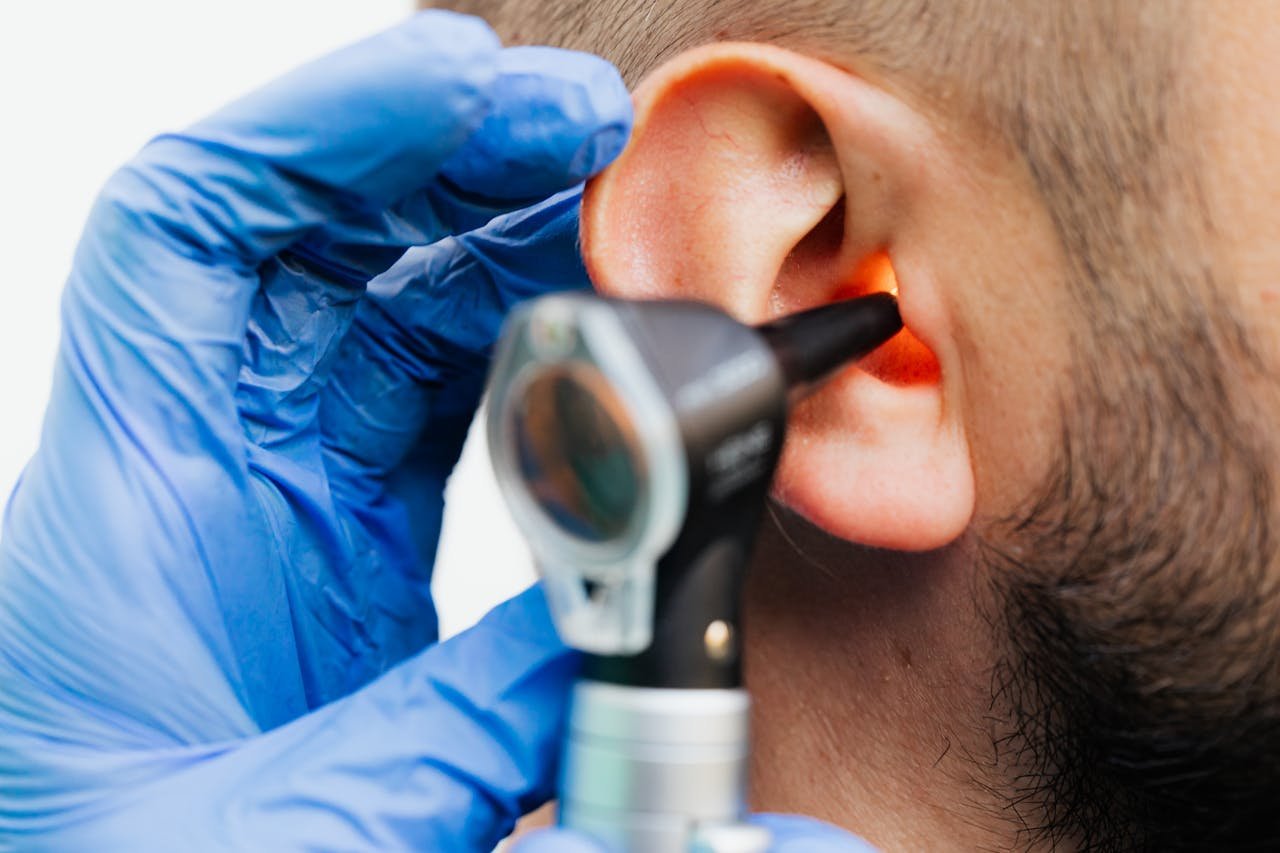
The doctor examines the ear canal and eardrum using an otoscope, a specialized instrument that provides a clear view of the ear structures.
Tympanometry
This test measures how well the eardrum moves in response to pressure changes. It helps detect fluid buildup in the middle ear.
Hearing Tests
If hearing loss is present, ENT doctors may recommend audiometry to assess hearing function and determine the severity of the issue.
Imaging Studies
In cases of chronic infections or suspected complications, imaging studies such as CT scans may be used to evaluate deeper structures of the ear.
Treatment Options for Ear Infections in Adults
The treatment approach depends on the type and severity of the infection.
Medications
ENT specialists may prescribe:
Antibiotics for bacterial infections
Antifungal medications for fungal infections
Pain relievers
Anti-inflammatory medications
Proper medication ensures that the infection clears completely and prevents recurrence.
Ear Drops
Medicated ear drops are commonly used for outer ear infections and can reduce inflammation, eliminate bacteria, and relieve pain.
Earwax Removal
Professional earwax removal performed by an ENT specialist can eliminate blockages and reduce infection risk.
Drainage Procedures
In some cases, ENT doctors may perform procedures to drain fluid from the middle ear and restore normal pressure.
Treatment of Underlying Conditions
If sinus infections, allergies, or structural problems are contributing to ear infections, ENT specialists address those issues to prevent future episodes.
Why Seeing an ENT Specialist Is Important
Many adults attempt to treat ear infections with home remedies or over-the-counter medications. While mild cases may improve, persistent or severe infections require professional care.
ENT specialists offer several advantages:
Accurate diagnosis of the infection type
Targeted treatments based on the underlying cause
Advanced diagnostic tools
Prevention strategies for chronic infections
Management of related sinus or throat issues
Early intervention can prevent complications such as hearing loss, chronic infections, or damage to the ear structures.
Potential Complications of Untreated Ear Infections
Ignoring ear infections can lead to serious health problems.
Hearing Loss
Persistent infections can damage the eardrum or inner ear structures, leading to temporary or permanent hearing loss.
Chronic Ear Infections
Repeated infections can become chronic, requiring more complex treatments or surgical interventions.
Eardrum Rupture
Severe pressure from fluid buildup can cause the eardrum to rupture, leading to pain and discharge.
Spread of Infection
In rare cases, infections may spread to surrounding tissues or bones, leading to more serious complications.
Preventing Ear Infections in Adults
Preventive care plays a crucial role in maintaining ear health.
Maintain Good Ear Hygiene
Avoid inserting cotton swabs or sharp objects into the ear canal. Instead, allow the ears to clean themselves naturally.
Manage Allergies and Sinus Problems
Proper treatment of allergies and sinus infections reduces the risk of ear infections.
Avoid Smoking
Quitting smoking improves respiratory health and reduces inflammation that contributes to ear infections.
Keep Ears Dry
After swimming or bathing, gently dry the ears to prevent moisture buildup.
Strengthen the Immune System
Maintaining a healthy lifestyle with proper nutrition, exercise, and sleep supports the immune system and reduces infection risk.
When to See an ENT Specialist
You should consult an ENT doctor if you experience:
Ear pain lasting more than two days
Hearing loss or muffled hearing
Fluid or pus draining from the ear
Severe dizziness or balance problems
Recurrent ear infections
Persistent pressure or fullness in the ear
Prompt medical evaluation ensures proper treatment and prevents complications.
The Role of ENT Doctors in Long-Term Ear Health
ENT specialists are dedicated to protecting and restoring ear health through advanced medical care and personalized treatment plans.
They evaluate not only the infection itself but also the broader health factors that may contribute to recurring problems. By addressing sinus conditions, allergies, and structural issues, ENT doctors help patients achieve long-term relief and improved quality of life.
Regular check-ups with an ENT specialist can also help detect early signs of hearing loss or other ear-related conditions before they become serious.
